
Biography
- Home
- Biography
“From tribal roots to fearless leadership in the fight for land, culture, and freedom.”
Biography of Madri Kalo
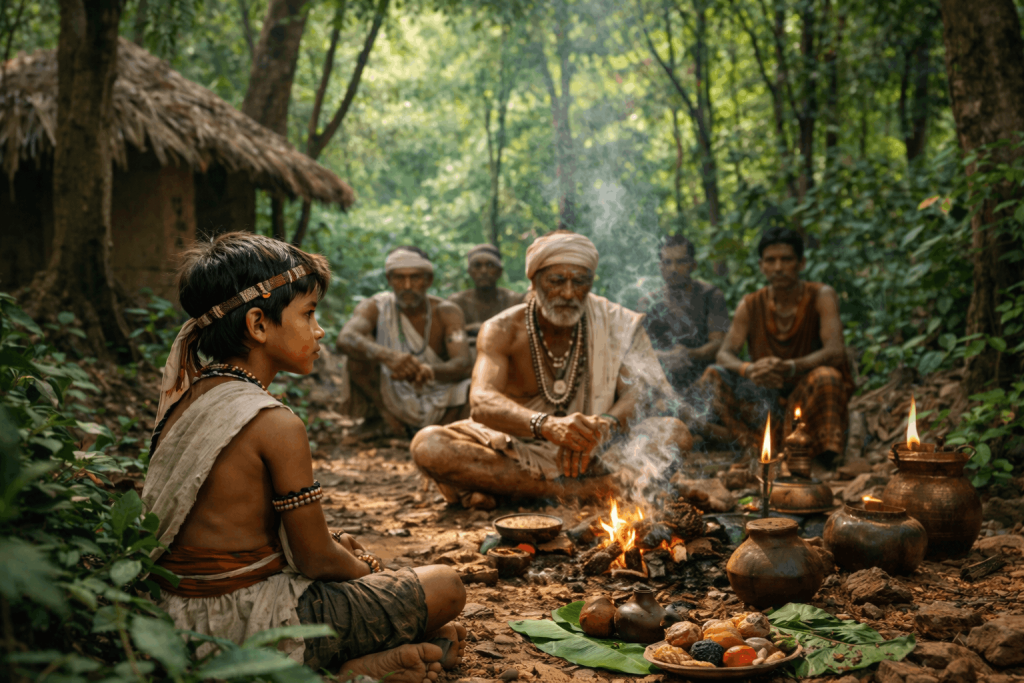
Early Life
Madri Kalo was born into the Kondh (Khond) tribal community of Odisha, in a landscape shaped by dense forests, hills, and sacred ancestral land. Life in the tribal heartland was governed by nature and collective living, where survival depended on cooperation, courage, and respect for the land. From childhood, Madri Kalo learned to navigate forests, hunt, protect village boundaries, and understand the spiritual bond between the people and their environment. Elders of the community passed down oral histories of past struggles, tribal heroes, and the responsibility of safeguarding land and culture. These stories deeply influenced Madri Kalo, awakening a strong sense of justice and duty. He grew up witnessing both the strength of tribal unity and the increasing threats posed by external forces seeking control over indigenous regions.
Tribal & Cultural Background
Madri Kalo’s life was deeply shaped by Kondh tribal traditions, which emphasized self-governance, shared leadership, and collective decision-making. He was trained in traditional warfare techniques, forest-based survival skills, and indigenous strategies of defense suited to the terrain. Leadership within the tribe was earned through bravery, wisdom, and service to the community, and Madri Kalo gradually emerged as someone who embodied these qualities. Beyond physical strength, he developed a deep understanding of tribal law, cultural rituals, and social responsibility. He played an active role in community gatherings and councils, where matters of justice, land, and collective welfare were discussed. His ability to unite people, communicate clearly, and lead by example earned him the respect of elders and younger members alike.

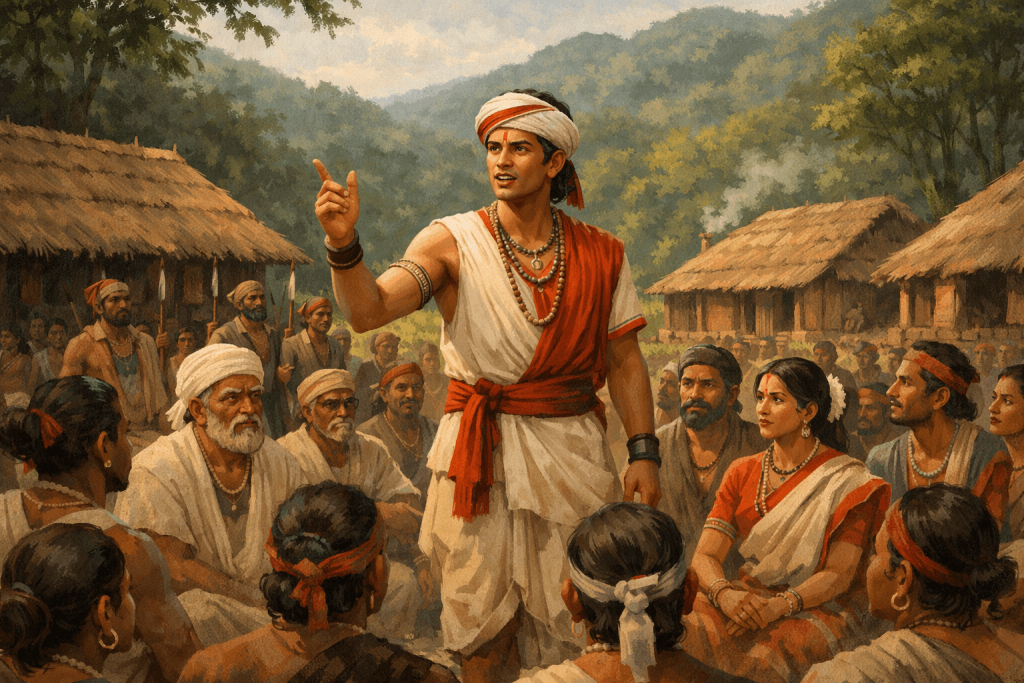
Rise as a Tribal Leader
The growing expansion of British colonial administration into Odisha’s tribal regions marked a period of intense disruption. Colonial policies led to the seizure of ancestral land, restriction of forest access, forced taxation, and interference in long-standing tribal governance systems. These actions threatened the very survival of indigenous communities. Madri Kalo rose in response to this injustice, emerging as a fearless and determined leader. He mobilized villages across tribal regions, encouraging unity and collective resistance. Drawing on deep local knowledge of terrain and community networks, he organized resistance efforts aimed at protecting land, culture, and autonomy. Under his leadership, tribal resistance transformed from scattered opposition into a coordinated movement rooted in courage, unity, and indigenous identity.